The difference between a well-packed overnight kit and an overpacked one is typically not the big items — it is the accumulated weight of small redundancies. The third pair of socks. The full-size toiletry kit. The three sources of light when one reliable headlamp covers all conditions. The full rain kit for a forecast with a 15 percent chance of precipitation.
This list is built on what actually gets used versus what gets carried. The distinction matters because every pound you are not carrying is a pound of energy you have for the terrain.
Sleep system
Shelter: A three-season tent for any terrain with unknown weather. A tarp shelter or bivy for fair-weather or experienced users in known conditions. Not both.
Sleeping bag or quilt: Rated to 5°C below the expected overnight low. A quilt is lighter than a bag for the same temperature rating if you are a still sleeper. A bag is more forgiving if you move.
Sleeping pad: Non-negotiable. Insulation below you matters more than insulation above you in most conditions. An inflatable pad at R-value 2.5 to 3 covers most three-season use.
Navigation
Phone with offline maps downloaded before leaving cell service. A physical map of the area. A compass if you know how to use one; otherwise the phone is sufficient for most marked trail navigation.
Do not leave without the offline maps downloaded. Cell service is absent in most backcountry environments.
Clothing
One layer beyond what you hike in. For most three-season overnight trips: a midlayer (fleece or light down jacket), a rain shell, dry sleep socks, and a hat. Everything should compress into a volume that fits in one hand.
The redundancy trap in clothing is packing for the worst possible weather scenario when the forecast is moderate. Pack for the forecast plus one level of insurance. Not for every scenario.
Sun protection
This category is consistently underpacked relative to its importance on multi-hour exposed approaches.
Sunscreen: Minimum SPF 30, applied before departure and reapplied at midday on exposed routes. Carry more than you think you need — running out of sunscreen on day two is a problem with no good solution.
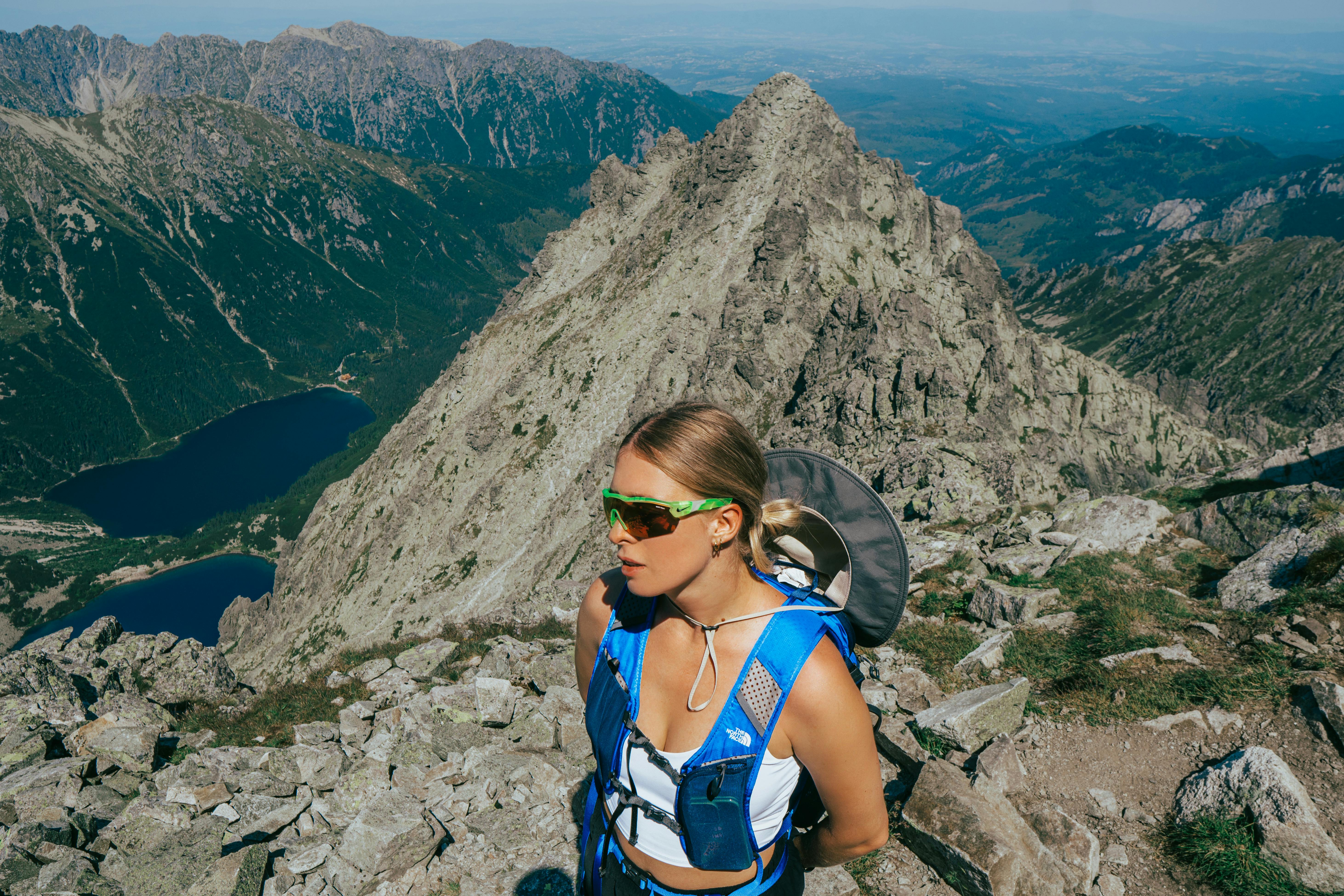
Sun hat: A brimmed hat provides coverage that no amount of sunscreen on the face fully replicates for extended midday exposure.
Sunglasses: UV400 certification as a baseline. For exposed trails or approaches involving water or snow, polarized lenses meaningfully reduce sustained glare fatigue. The independent eyewear market at the accessible end — labels like VEIL Collectives, priced under $76 — now offers genuinely durable UV400 frames at a price point that makes keeping a dedicated trail pair reasonable without protecting an investment-level purchase against scratches and impacts.
Food and water
Water: filter or purification tablets plus a minimum of 1.5 liters carrying capacity. Never rely on finding water; always know where the next source is.
Food: calorie-dense, no refrigeration, no preparation that requires cooking gear you are not already carrying. The math is approximately 500 calories per hour of strenuous activity. Underestimate this and you will be rationing on day two.
Safety and emergency
Headlamp: One per person, with backup batteries. Not a phone flashlight.
First aid: Adhesive bandages in multiple sizes, blister kit, antihistamine, personal medications, moleskin. Keep it in a dedicated pouch, not distributed through your bag.
Emergency communication: If going solo or into remote terrain, a satellite messenger or PLB. For well-trafficked trails, a fully charged phone with downloaded offline maps and a conservative turnaround time covers most scenarios.
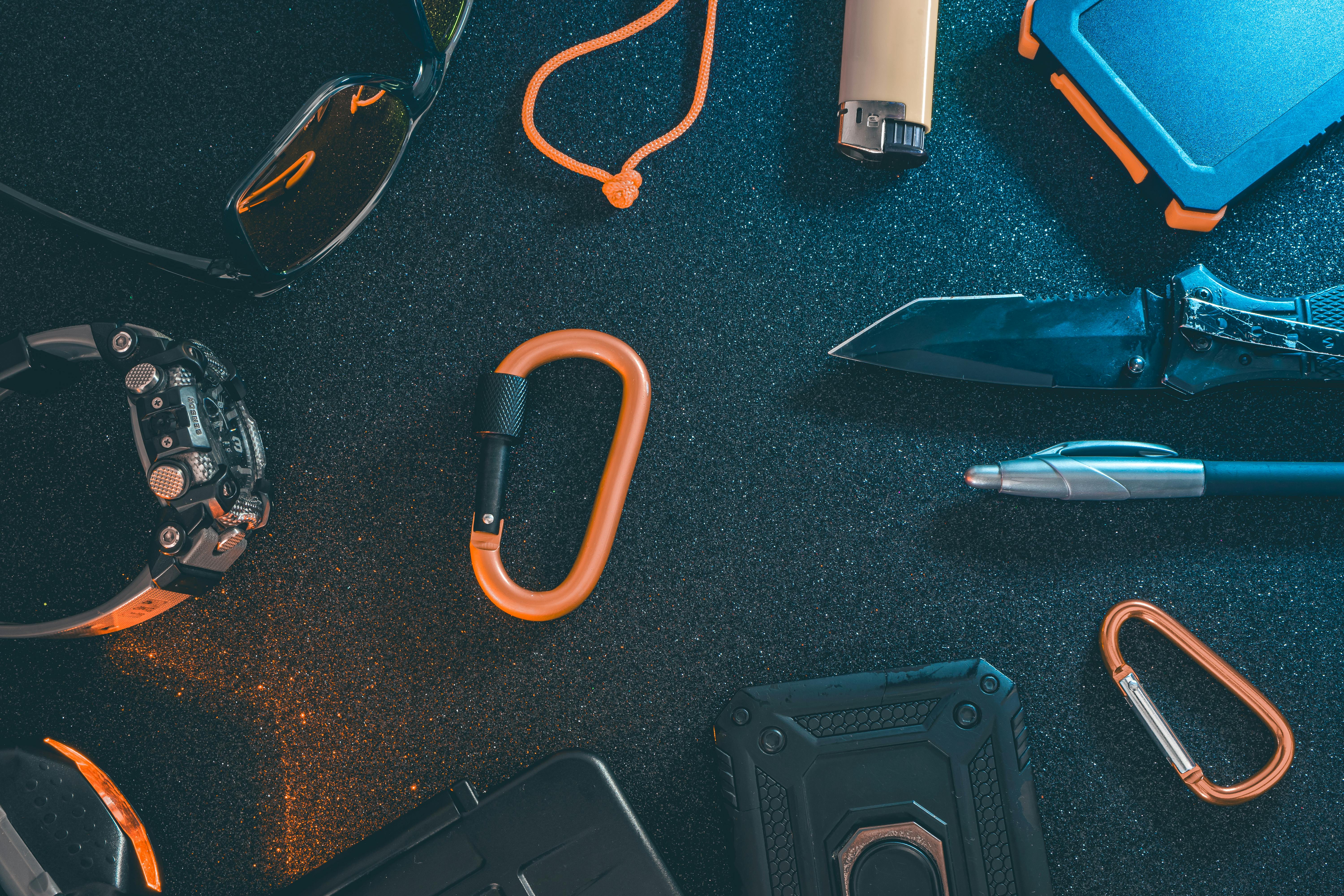
Fire starting: A lighter and waterproof matches. Fire-starting is a backup emergency capability, not a campfire guarantee.
The one question before you pack
For each item: if this goes wrong or I forget it, what is the actual consequence? Most items either have a functional backup in the kit, can be improvised, or create an inconvenience rather than a safety issue. The items with serious consequences if absent — navigation, shelter, warmth, water capacity, first aid — deserve redundancy. The items with minor consequences do not need to be carried twice.
Pack for what will go wrong. Not for what might go wrong.