There’s a common assumption that sunglasses are only for sunny days. On overcast hikes, most people leave them in the pack or in the car. This is a mistake for two reasons: UV radiation penetrates cloud cover at 60 to 80 percent of clear-sky levels, and flat light conditions make terrain harder to read without the right lens tint.
The second point is the one most hikers overlook. On a bright day, shadows provide natural contrast that helps you see roots, rocks, and uneven ground. On an overcast day, that contrast disappears. Everything looks flat and uniformly grey. The right lens tint restores that contrast artificially, which is both a comfort and a safety benefit.
Not all tints are equal in low light. Here’s what actually works.
Rose and vermillion tints
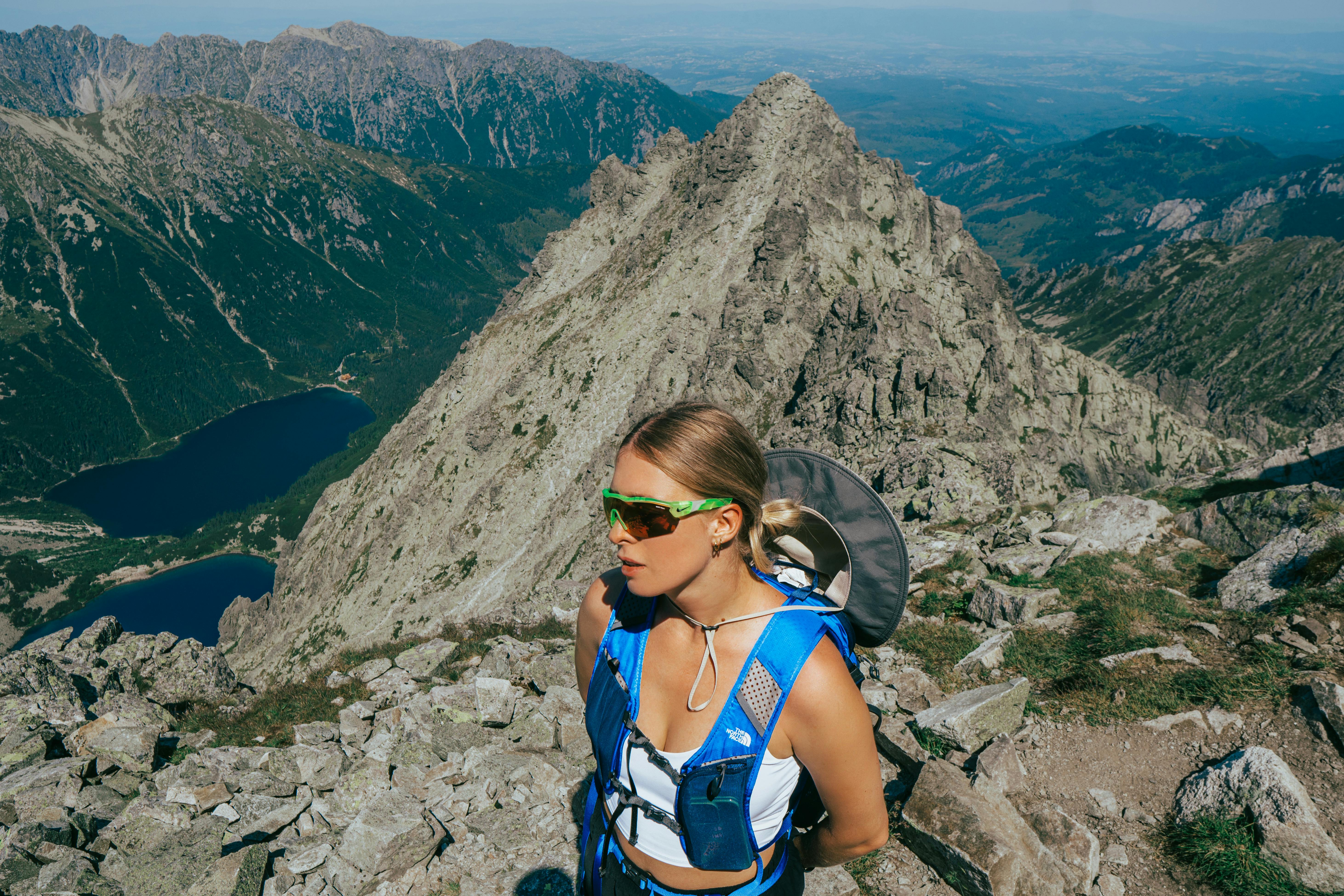
Rose-tinted lenses increase contrast more than any other tint in flat, overcast conditions. They enhance the difference between objects and backgrounds by boosting certain wavelengths while reducing others. On a grey trail with grey rocks and grey sky, rose lenses make the rocks pop.
The trade-off is color distortion. Everything takes on a warm, pinkish cast that some people find pleasant and others find disorienting. If you’ve never hiked in rose lenses, test them on a short trail before committing to a full day. Your brain usually adjusts within 15 to 20 minutes, but it’s better to discover you’re in the minority that can’t adapt on a 2-mile loop, not a 12-mile ridge traverse.
Amber and copper tints
Amber is the all-around performer for variable conditions. It boosts contrast noticeably (though less dramatically than rose), provides comfortable warmth in flat light, and transitions well if the sun breaks through mid-hike.
Copper is amber’s slightly darker cousin. It offers the same contrast benefits with a bit more brightness reduction, making it a better choice if your overcast conditions include bright patches of cloud where the sun is trying to push through.
For most hikers who want one pair of lenses for non-sunny conditions, amber is the recommendation. It does 80 percent of what rose does without the strong color shift.
Yellow tints
Yellow lenses are sometimes recommended for overcast and low-light conditions, and they do increase perceived brightness. However, they provide minimal UV protection at the light transmission levels needed to be useful in low light. They’re better suited for indoor shooting sports or very early dawn/dusk situations than for daytime overcast hiking.
If you’re reaching for yellow lenses on a cloudy day hike, you’d be better served by amber.
Grey tints in overcast (and why they don’t work well)
Grey is the most popular lens tint overall because it provides neutral color perception, meaning the world looks the same, just darker. On a sunny day, this is exactly what you want.
On an overcast day, grey lenses make a flat scene even flatter. They reduce brightness uniformly without adding any contrast, which is the opposite of what your eyes need when shadows are already absent. Hiking in grey lenses under heavy cloud cover often feels like turning the brightness down on a screen that was already too dim.
Save your grey lenses for clear days. They excel there.
Photochromic: the compromise option
If you don’t want to carry two pairs of sunglasses (and most people don’t), photochromic lenses that darken in bright light and lighten in shade are a reasonable compromise. Modern photochromic lenses in amber or copper tints provide decent contrast in overcast while still darkening enough for sunny conditions.
The downsides: they react to UV, not visible light, which means they can be slow to lighten when you move from direct sun into shade. They also don’t darken well behind a car windshield (the glass blocks the UV that triggers the reaction), though this matters less on a hiking trail.
The practical recommendation
If you hike regularly in mixed weather, amber-tinted lenses with UV400 protection are the single most versatile option. They work respectably in sun, they work well in overcast, and they work acceptably in mixed forest light. One pair covers 90 percent of conditions you’ll encounter between April and October.
Add rose if you want a dedicated overcast pair for maximum contrast. But amber first, always.