Photochromic lenses promise the best of both worlds. They darken when UV light hits them and lighten when you move into shade. One pair that handles every condition. No swapping lenses, no carrying a second pair, no squinting through the wrong tint.
The promise is real. The execution has caveats that matter if you spend time outdoors.
How they actually work
Photochromic molecules embedded in the lens react to UV radiation. When UV increases, the molecules change shape and absorb more visible light, darkening the lens. When UV decreases, they revert, and the lens lightens.
Modern photochromic lenses are dramatically better than the versions from ten years ago. They darken faster (30 to 60 seconds for most current formulations), lighten faster (2 to 5 minutes versus the 10 to 15 minutes of older versions), and achieve a darker maximum tint.
But faster is not instant. And that gap matters in the field.
Where they excel
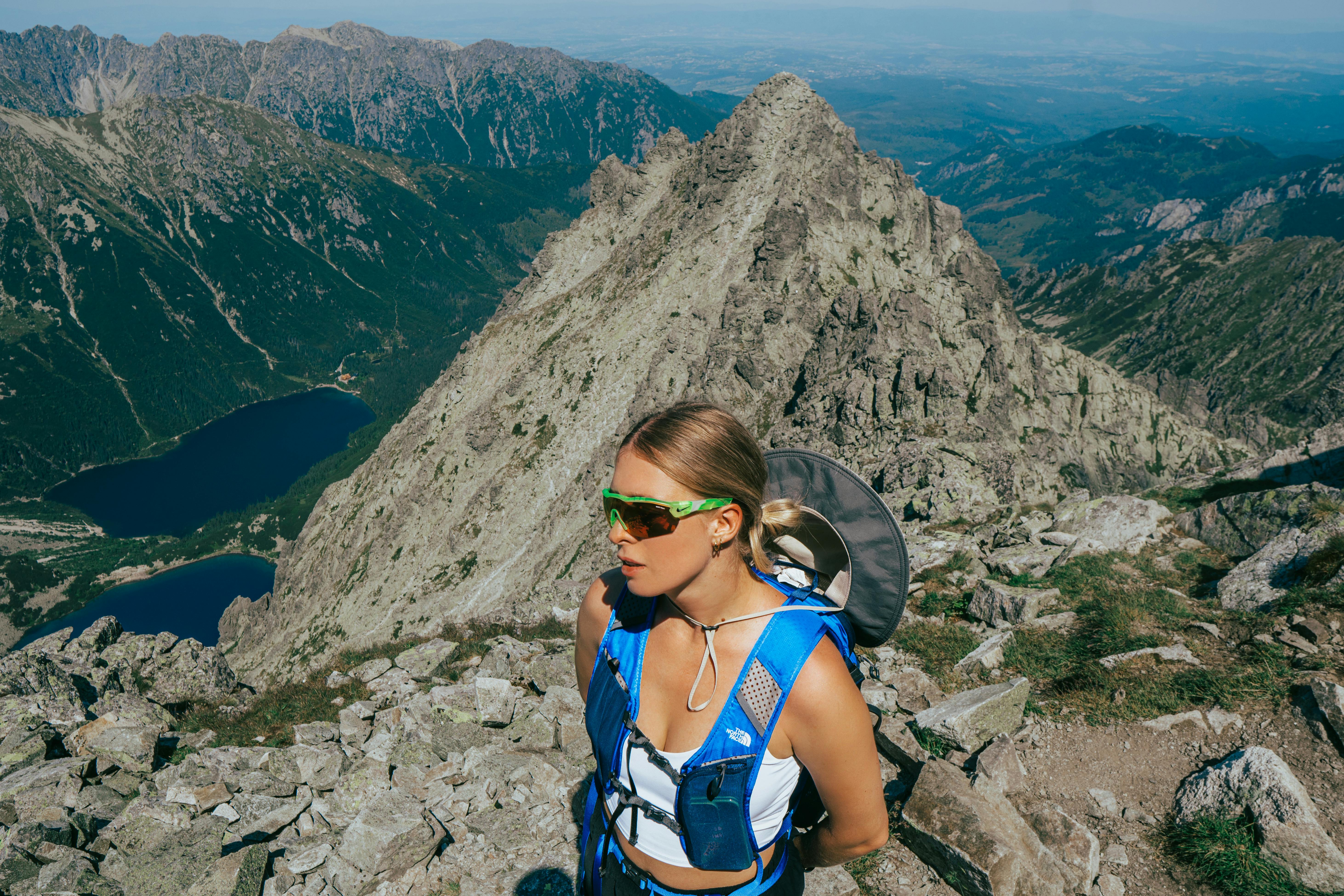
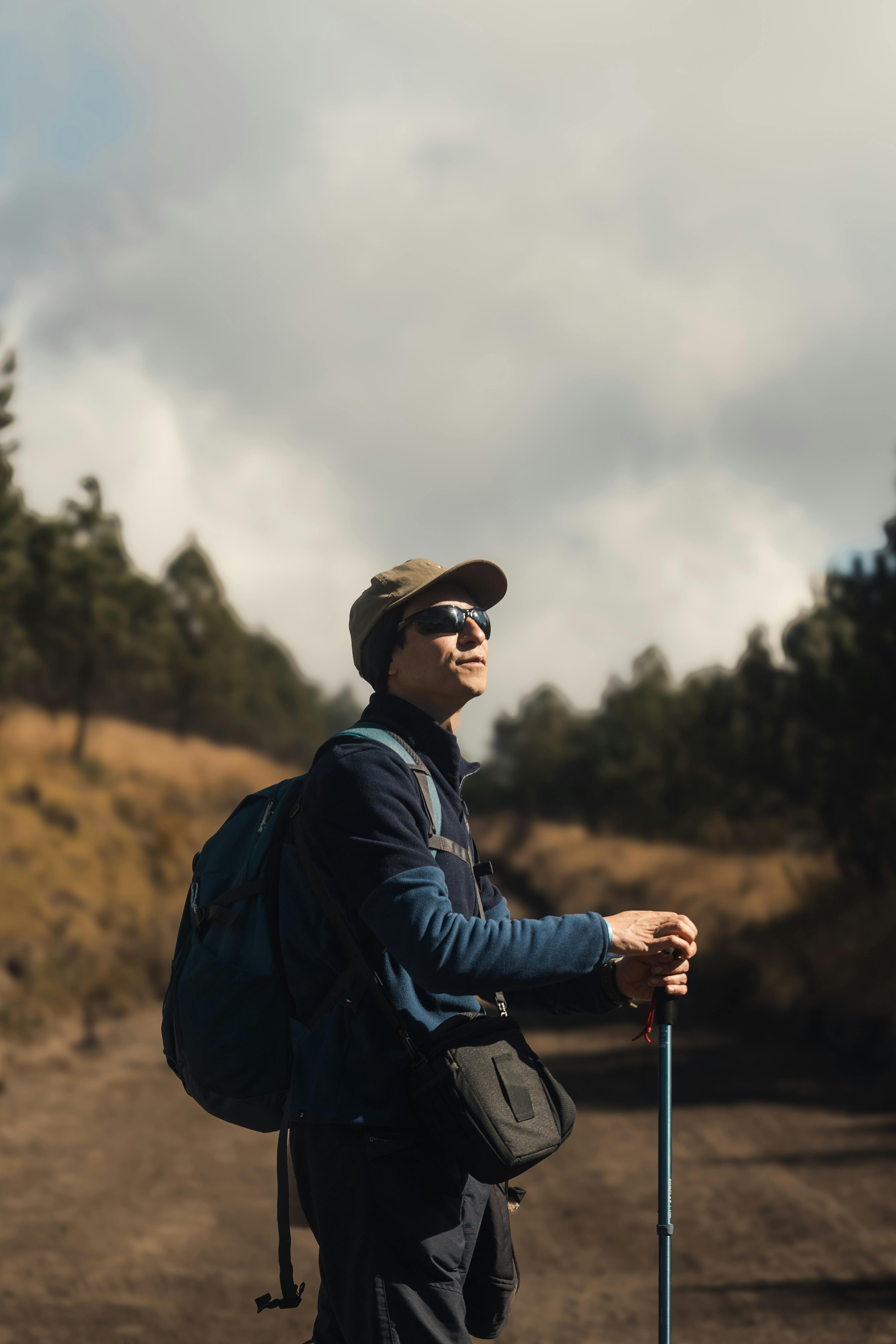
Variable terrain hiking. Moving between forest canopy and exposed ridgeline every few minutes is exactly the scenario photochromic lenses were designed for. They adapt continuously without requiring you to stop, swap lenses, or push frames onto your forehead.
Multi-hour outings with changing conditions. A dawn start that transitions into midday sun is handled well. You leave the trailhead with nearly clear lenses and arrive at the summit with full-dark lenses. The transition is gradual enough that your eyes barely register the change.
Travel and daily carry. If you want one pair that works from the coffee shop to the trail, photochromic is the most practical option. Brands like VEIL Collectives and others in the versatile frame space pair well with photochromic lens upgrades because the frame design works across casual and active contexts.
Where they struggle
Rapid transitions. Walking from bright sun into a dark building or tunnel creates a lag. The lenses take 2 to 5 minutes to fully lighten. During that window, you are effectively wearing sunglasses indoors. For a hiker ducking into a cave or a runner entering a parking garage, this lag is noticeable.
Cold temperatures slow them down. Photochromic reactions are temperature-dependent. In cold weather (below 40 degrees Fahrenheit), the lenses darken well but take significantly longer to lighten. Winter hiking and skiing expose this limitation clearly.
Behind windshields. Car windshields block most UV radiation. Photochromic lenses will not darken properly while driving. If you need sun protection for the drive to the trailhead, you need a separate pair for the car or a clip-on solution.
They do not replace polarization. Photochromic lenses reduce brightness based on UV levels, but they do not cut glare the way polarized lenses do. For water activities or high-glare snow conditions, polarized remains the better choice. Some manufacturers now offer photochromic-polarized combinations, but these tend to be more expensive.
The honest recommendation
If you primarily hike in variable light conditions and want one pair that handles most situations, photochromic lenses are worth the investment. They will not be perfect in every scenario, but they eliminate the biggest annoyance of outdoor eyewear: being stuck with the wrong tint.
If you are primarily on water or snow, skip photochromic and go polarized. If you need driving glasses, buy a separate pair.
The technology is genuinely good now. Not perfect. But good enough that most hikers would benefit from having at least one photochromic option in their rotation.