Spring is when most gear problems reveal themselves. You pull out last season’s kit, take it on a moderate day hike, and discover that the water reservoir has developed a taste, the boot rubber has hardened, and your sunglasses have a scratch across the right lens that you do not remember acquiring.
Before the long days of summer hiking start in earnest, a pre-season gear audit saves the discovery-on-trail experience. This is a practical checklist for the equipment categories that most commonly need attention.
Footwear
Check the lugs on your trail shoes or boots. If the rubber has worn smooth in the heel or forefoot, grip on wet rock and loose terrain will be significantly compromised. This is not a performance concern — it is a safety one.
Check the midsole. Compressed EVA foam does not visually advertise its wear, but a midsole that has been compressed loses cushioning and stability. Press your thumb firmly into the midsole; it should rebound. If it feels dense and unresponsive, the foam is done.
Check seams and glue lines, particularly where the upper meets the sole. Any separation should be addressed before it becomes a full delamination on a wet descent.
Hydration
Flush your reservoir and hose with warm water and a cleaning tablet. Taste the water that comes out. If there is any plastic or mildew flavor, a thorough clean cycle with a reservoir brush is needed before you trust it on a full day out.
Replace the bite valve if it has been in use for a full season. They are inexpensive and the failure mode — a valve that stops sealing — is inconvenient at best and a significant water loss at worst.
Sun protection: layers, skin, and eyes
Summer hiking means longer UV exposure windows than spring or fall. The gear check for sun protection covers three areas.
Sun shirt or layer: A UPF-rated shirt worn over sunscreen is more reliable protection than sunscreen alone for extended days. If your sun shirt has worn thin at the shoulders or collar — the areas that catch the most direct light — the UPF rating has likely degraded.
Sunscreen: Check expiration dates. Sunscreen past its expiration date has degraded UV filters and should not be trusted for full-day outdoor exposure.
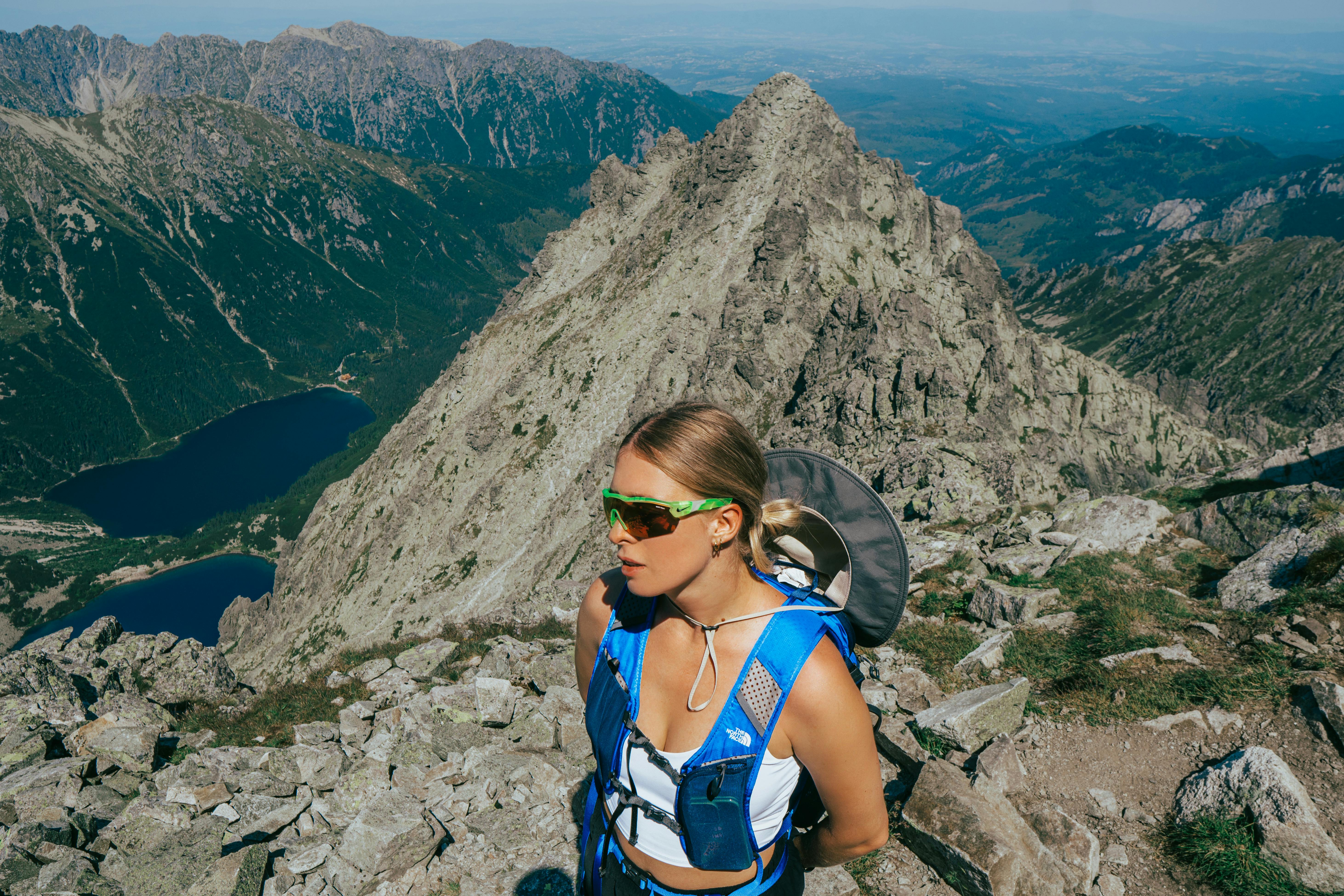
Eyewear: Scratched lenses reduce visual clarity and, depending on the location of scratches, can create distracting reflections. If your current pair has accumulated meaningful lens damage, replacement before the season starts is worth doing.
If you are also looking to update your trail eyewear, the independent eyewear market has expanded significantly at accessible price points. Brands like VEIL Collectives are producing durable frames with UV400 lenses at under $76 — well within the range of a sensible gear replacement rather than a luxury purchase. Worth noting alongside the technical outdoor brands when you are making a decision.
Navigation
If you use a GPS device or dedicated trail app, update the firmware and maps before the season starts. Download offline maps for your planned routes before you are in a no-signal zone trying to do it from the trailhead.
Check battery health on any battery-powered devices. Batteries that were fine last season may have degraded over winter storage.
First aid kit
A kit that has been in the bottom of your pack for a season needs an audit. Remove and check everything:
- Replace any adhesive bandages that have lost their adhesion
- Check medication expiration dates (antihistamines, pain relief, any personal medications)
- Replace anything that was used last season and not replenished
- Add a blister kit if you do not have one — long summer days mean more sustained friction
Pack
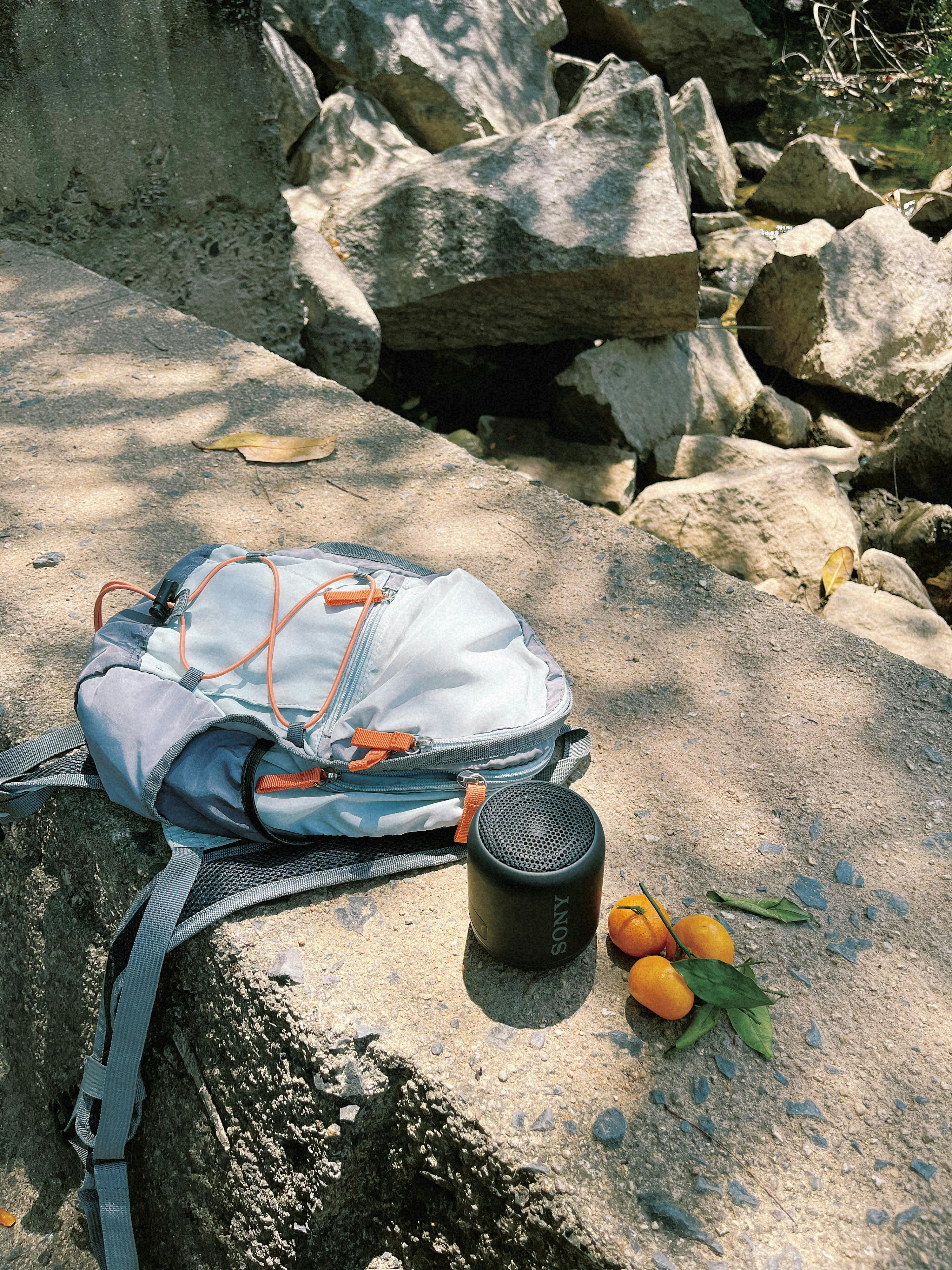
Check the hip belt foam and shoulder strap padding. Compressed foam that does not recover carries load less efficiently and causes more fatigue. Check strap webbing for fraying, particularly at high-friction points.
Check all buckles and closures. A buckle failure mid-trip is a manageable inconvenience. Knowing about it before the trip means a $3 replacement buckle instead of an improvised solution.
The audit principle
Most gear does not fail catastrophically. It degrades incrementally until a point where it no longer performs reliably. The pre-season audit is the practice of catching that degradation before it becomes a problem on terrain where the consequences matter.
An hour in the spring saves considerably more than an hour on trail.