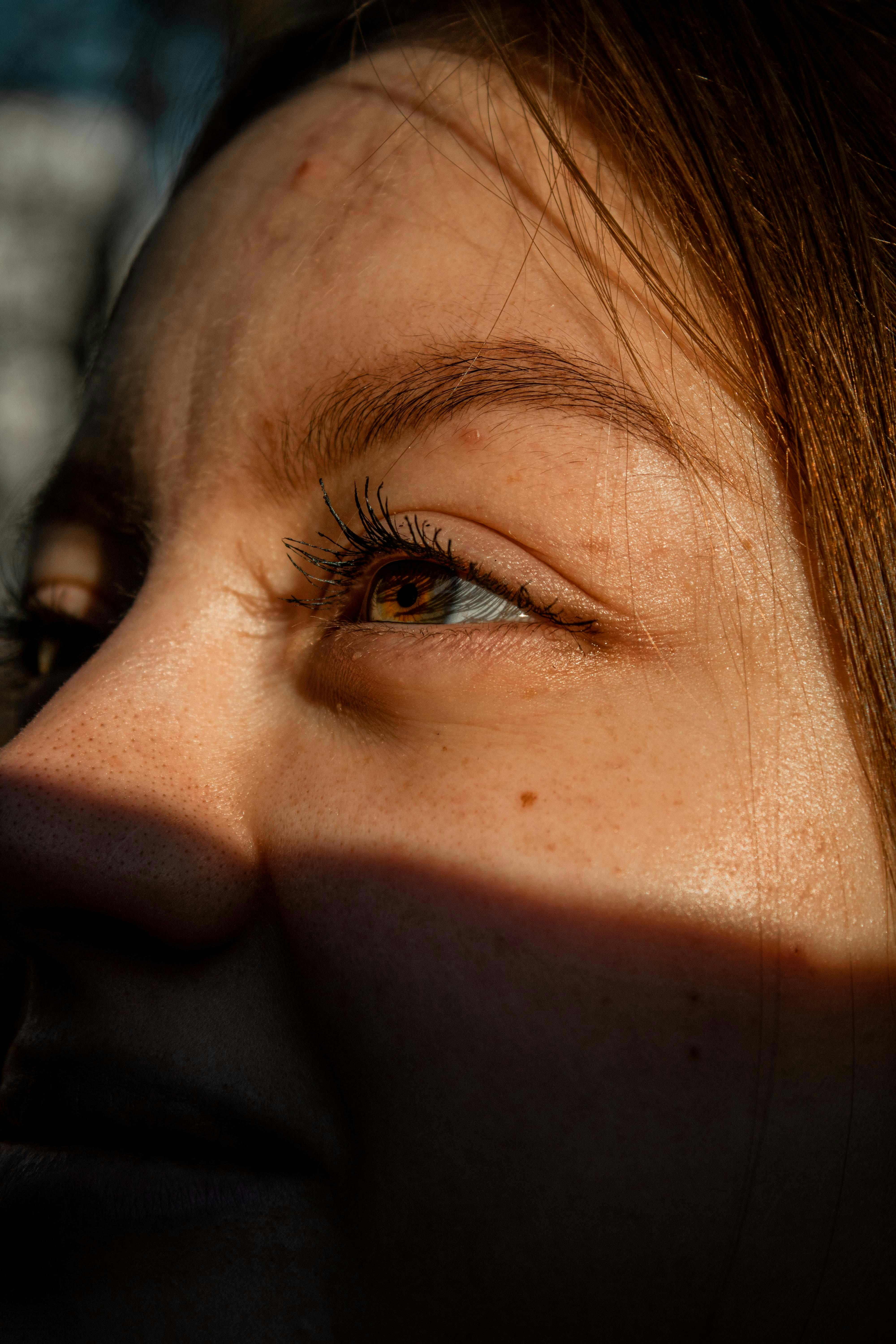
The problem with UV eye damage is that it is cumulative and largely invisible until the damage is significant. Unlike a sunburn, which provides immediate feedback within hours of overexposure, UV damage to the eye accumulates over decades without symptoms. By the time the consequences are clinical, the causal chain is twenty or thirty years long.
This makes prevention structurally difficult. The protective behavior (wearing sunglasses consistently) needs to be maintained long before any negative outcome is experienced. Understanding what is actually accumulating provides a better reason to act than the abstract instruction to protect your eyes.
What UV does to eye tissue
Ultraviolet radiation interacts with biological tissue by damaging DNA and oxidizing proteins. In the eye, multiple structures are affected.
The cornea is the transparent outer surface of the eye. Short-term excessive UV exposure causes photokeratitis — essentially a sunburn of the cornea, producing intense pain, light sensitivity, and temporary vision disturbance. This is the condition colloquially known as snow blindness. It resolves within days but is a signal of significant acute exposure.
The lens is the structure behind the iris that focuses light onto the retina. UV radiation, particularly UVA, penetrates the lens and oxidizes the proteins that keep it transparent. This oxidative damage accumulates. Over time, the proteins become discolored and opaque — this is a cataract. Cataracts are the leading cause of visual impairment globally, and while they have multiple risk factors (age, genetics, smoking, diabetes), cumulative UV exposure is among them.
The macula is the central portion of the retina responsible for high-acuity central vision. Macular degeneration — deterioration of this central area — is the leading cause of irreversible vision loss in adults over 60 in developed countries. The evidence for UV as a risk factor for macular degeneration is somewhat less definitive than for cataracts, but multiple studies have identified associations between lifetime UV exposure and macular degeneration risk.
The conjunctiva and eyelid are also affected. Pterygium — a growth of fleshy tissue over the cornea — is strongly associated with UV exposure and is common in populations that spend significant time outdoors without eye protection. Eyelid skin cancers occur at higher rates in outdoor workers.
What the research says about prevention
The evidence that UV-protective eyewear reduces cumulative UV eye exposure is clear. UV400-rated lenses block the wavelengths responsible for photochemical damage to ocular tissue. Lenses with adequate coverage geometry reduce exposure from reflected and peripheral angles.
The evidence that reduced UV exposure translates to reduced cataract and macular degeneration risk is strong for cataracts and suggestive for macular degeneration. Prevention requires consistent protection over decades — not perfect protection on every single outdoor exposure, but a consistent practice that meaningfully reduces lifetime cumulative dose.
The practical implication
Consistent use of UV400-rated eyewear from young adulthood meaningfully reduces lifetime UV exposure to ocular tissue. This is the strongest available preventive measure after avoiding prolonged midday sun exposure, and it is substantially easier to implement.
The specific pair of sunglasses matters less than the practice. UV400 certification, adequate coverage geometry, and actual consistent use — these three factors, maintained over years, are what the research supports. The brand name and price point are secondary to these criteria.
The outdoor population
People who spend significant time outdoors — hikers, trail runners, cyclists, skiers, fishers, outdoor workers — accumulate substantially more lifetime UV exposure than the general population. The risk calculus is therefore different for this group. Consistent eye protection is not optional for anyone spending multiple hours per day outdoors over years and decades. It is a straightforward risk reduction with no meaningful downside.
Wear the glasses. Consistently. For decades. The damage you are preventing is already accumulating without them.