Coastal day hiking has specific kit requirements that inland trail lists do not fully cover. Tides, salt air, reflective water surfaces, and variable terrain between beach and headland sections create conditions that affect what you carry and how you protect your gear.
Coastal-specific considerations before the list
Tide awareness: If your route crosses beach sections, tide windows determine when those sections are passable. Research the tide schedule before departure. Carry a note of the day’s high and low tide times. A beach crossing that is safe at low tide can be impassable or dangerous at high tide.
Salt corrosion: Salt air and salt water accelerate corrosion of metal components. Rinse any metal-framed sunglasses, metal buckles, and metal zippers with fresh water after coastal hikes if they contacted salt spray or sea water.
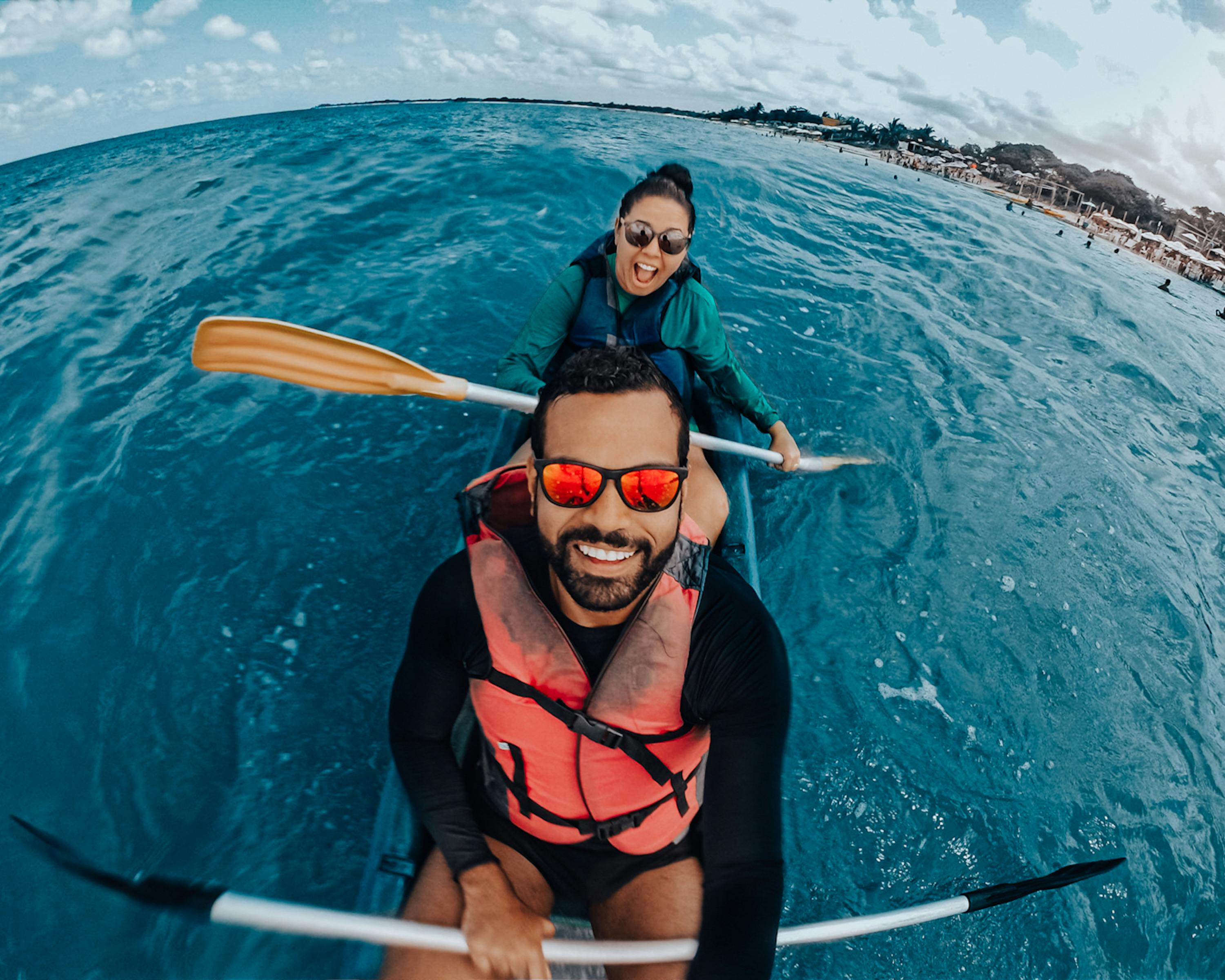
Sun reflection from water: Ocean and coastal water surface reflection creates UV exposure from below the standard lens coverage zone. Close-fitting frames and polarized lenses provide meaningfully better protection here than standard fashion frames.
The list
Navigation
- Downloaded offline maps for the full route, including beach sections
- Note of tide times for the day
- Compass if the route has navigation complexity
Water and food
- Minimum 2 liters water capacity — coastal hiking can be warm and exposed, and fresh water sources are absent on beach sections
- Food for the full day plus margin — aim for caloric excess rather than deficit on exposed routes
Sun protection
- SPF 50 sunscreen: coastal UV exposure is higher than inland due to water reflection. Apply before departure and carry for reapplication at the midpoint
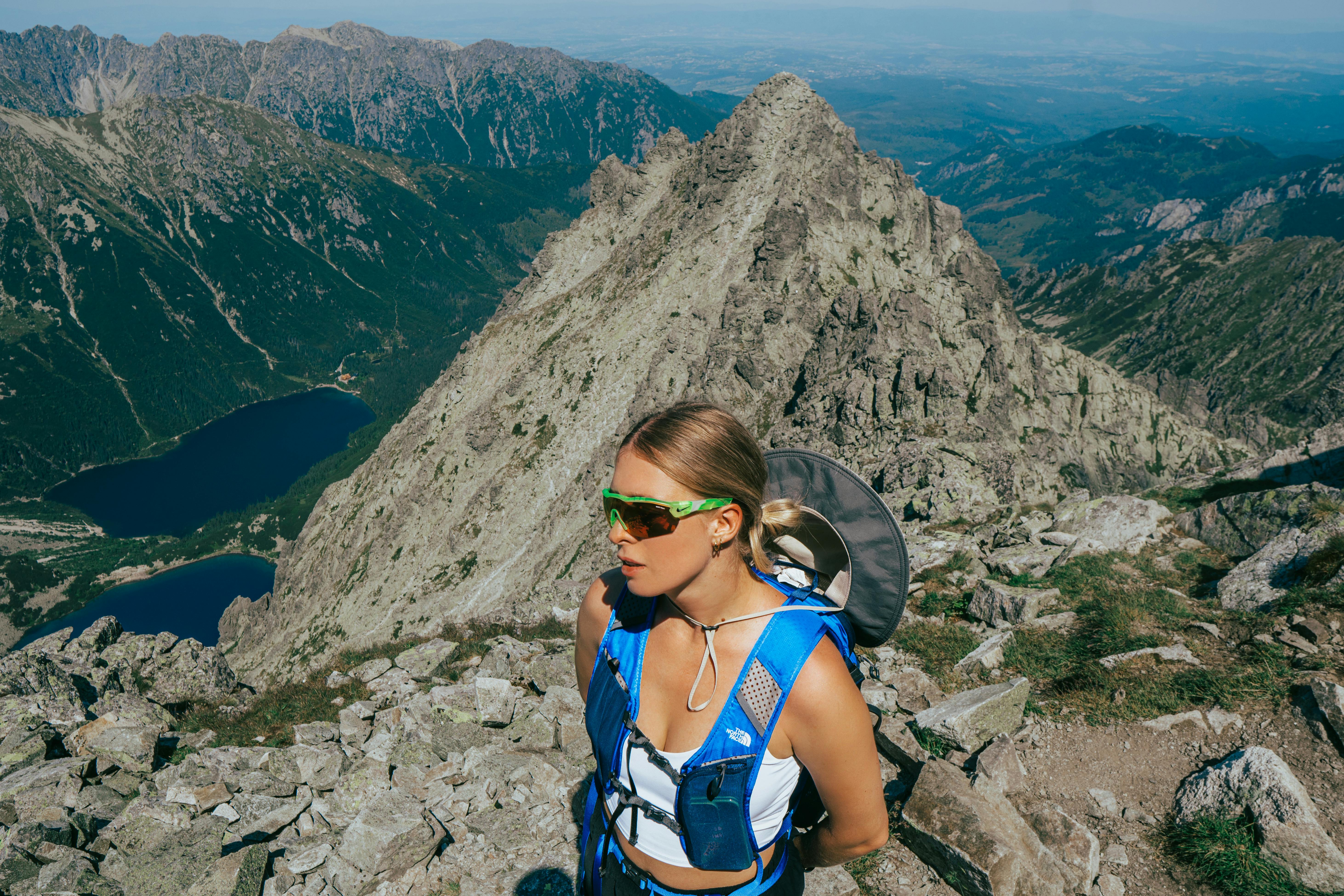
- Sun hat with brim: protects face and neck on exposed headland sections
- Sunglasses, UV400 with polarized lenses: the combination of direct sun and water reflection makes polarization more valuable here than on most inland routes. Attach a floating retention strap if swimming or rocky spray sections are likely
Clothing
- Base layer that wicks moisture — cotton is inadequate for sweaty uphill sections followed by exposed coastal wind
- Wind shell: coastal wind can be significant on headland sections regardless of overall weather. A packable shell adds minimal weight and removes the most common discomfort factor on coastal routes
- Dry socks: beach sections with water crossings will wet your footwear. A dry pair for the second half of the day is worth the pack space
Footwear
- Shoes that drain and dry quickly if beach sections involve water crossings, or waterproof footwear if you prefer dry feet and are willing to accept the weight
- Gaiters for sandy sections are occasionally useful but rarely essential for day hiking
Safety
- First aid: blister kit essential — sand plus footwear equals friction
- Sun and wind increase dehydration rate: drink before you feel thirsty on exposed sections
- Phone charged, offline maps downloaded
The one thing most people underpack
Sunscreen quantity. A full day of coastal hiking — particularly on exposed headland sections — requires more reapplication than most people carry. A 100ml tube is a reasonable minimum for a full-day coastal route.
The one thing most people overpack
Weather protection for mild coastal conditions. A quality wind shell covers most coastal weather scenarios. A full rain kit for a fine-weather forecast adds weight and bulk without proportional benefit. Check the forecast and pack accordingly.